
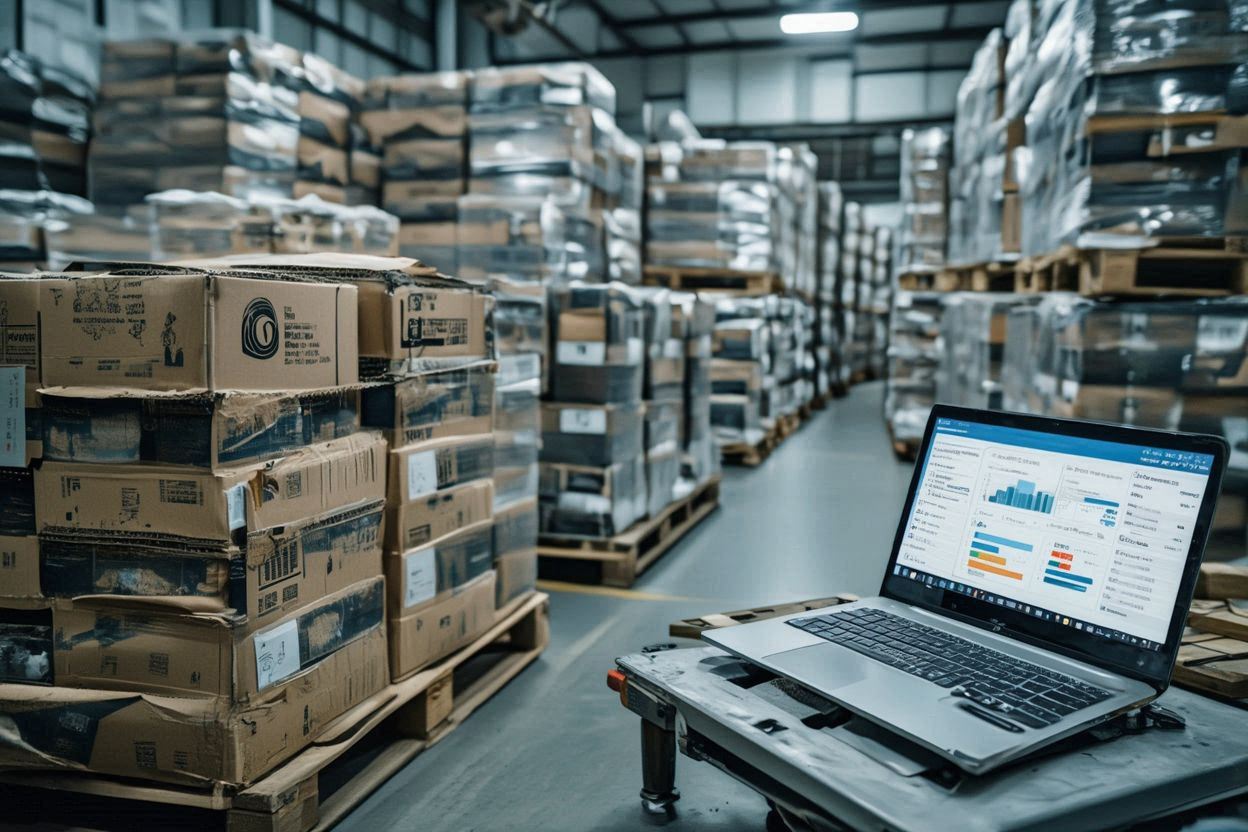
Monitor shisha charcoal shipment status is a critical process for importers, distributors, and hookah business owners who rely on consistent supply chains. Without proper tracking, shipments can face delays, miscommunication, or unexpected disruptions that directly impact business operations. In international trade, especially for products like shisha charcoal, timing and accuracy are directly tied to customer satisfaction and revenue flow.
To understand the full process in detail, you can read this guide how to monitor shisha charcoal shipment status. You can also explore more logistics insights at filmusica.com. Businesses that consistently monitor shipments gain better control over their logistics chain. Instead of reacting to problems after they occur, they can anticipate delays, communicate updates to clients, and adjust operational strategies in advance.
Real-Time Shipment Tracking for Shisha Charcoal
Real-time tracking allows businesses to stay updated on the exact position of their shipments. By using modern tracking systems, you can monitor container movement from the origin port to the final destination. This helps ensure that delivery timelines remain predictable and manageable.
Access to real-time data also improves coordination between suppliers, freight forwarders, and buyers. When every party has the same information, the chances of miscommunication decrease significantly. This creates a more transparent and reliable shipping process.
In addition, real-time tracking supports better planning for inventory management. Knowing when shipments will arrive allows businesses to prepare storage, distribution, and sales activities without unnecessary delays.
Effective Methods to Track Charcoal Shipments
There are several methods available to monitor shisha charcoal shipment status efficiently. One of the most widely used approaches is tracking via Bill of Lading (B/L). This document provides a unique reference number that can be used to check shipment progress through shipping line platforms.
Another common method is using container tracking systems provided by shipping companies. These systems display detailed information including vessel name, transit routes, and estimated time of arrival. With this data, businesses can maintain better control over shipment schedules.
Digital logistics platforms also play an important role. Many providers offer integrated dashboards where users can access shipment data, download documents, and receive automatic updates. This reduces the need for manual tracking and minimizes human error.
Common Issues in Shipment Monitoring
Some common challenges include vessel delays, documentation errors, and port congestion. These issues can disrupt delivery schedules if not addressed early. Monitoring shipments consistently helps identify such problems before they escalate.
Weather conditions, customs inspections, and operational inefficiencies can also affect shipment timelines. Without proper monitoring, these factors may go unnoticed until they cause significant delays.
By maintaining regular tracking routines, businesses can stay informed and reduce the impact of these disruptions on their operations.
How to Improve Shipment Monitoring Efficiency
To improve tracking efficiency, always keep essential documents such as invoices, packing lists, and Bill of Lading organized and accessible. Using multiple tracking sources can also provide more accurate and reliable data.
Implementing automated notification systems is another effective strategy. These tools send updates directly to your device whenever there is a status change, reducing the need for constant manual checks.
Training staff to understand tracking systems and logistics processes also contributes to better monitoring performance. A well-informed team can handle issues faster and more effectively.
Business Benefits of Tracking Shipment Status
Tracking shipments is not just about logistics visibility. It also builds trust with clients by providing accurate and timely updates. Reliable shipment monitoring demonstrates professionalism and strengthens business relationships.
In addition, it helps reduce financial risks associated with delays, lost cargo, or miscommunication. Businesses that prioritize shipment tracking are better equipped to maintain consistent service quality.




Leave a Reply